
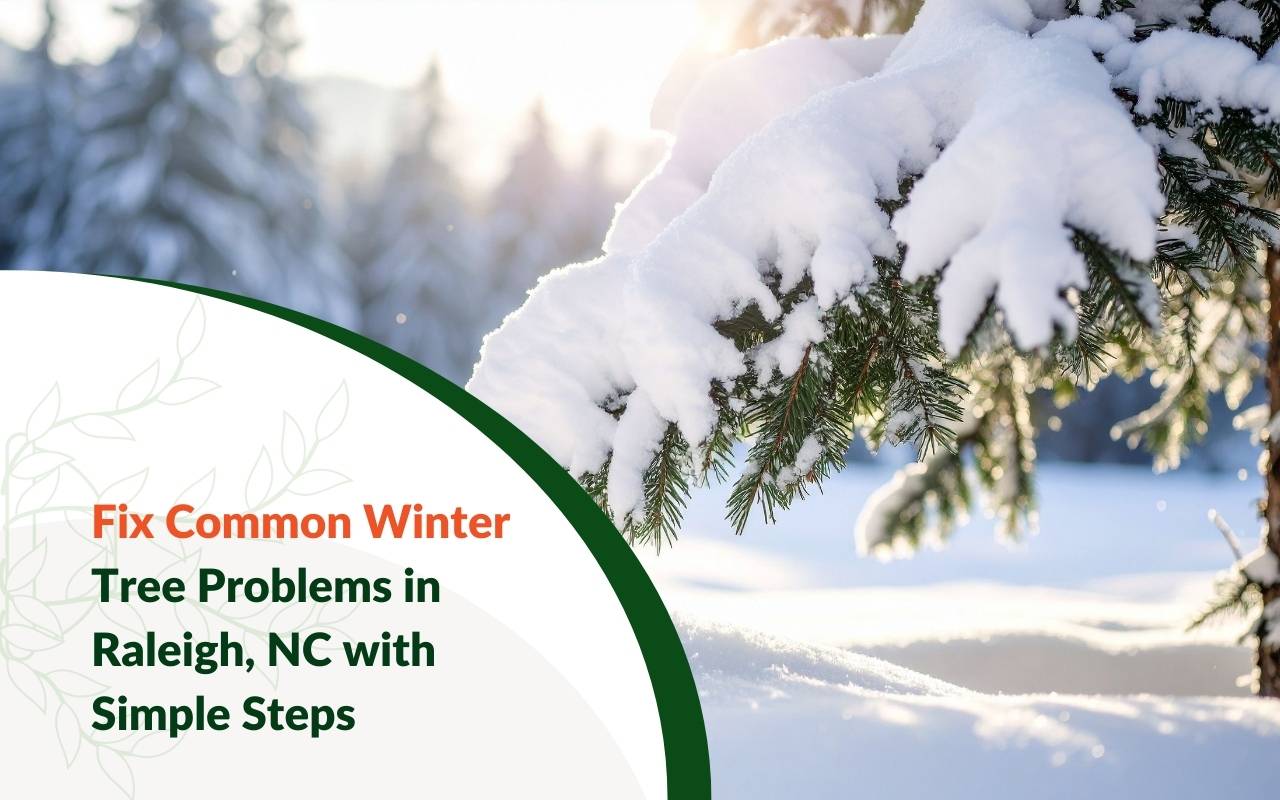
Common Winter Tree Problems in Raleigh, NC can sneak up on homeowners when cold weather, ice, and snow arrive. Branch damage, frost cracks, and bark issues may quickly turn a peaceful yard into a stressful concern. However, simple habits and early checks help your trees stay safe and strong through every winter storm.
Instead of waiting for branches to break, you can plan ahead. Regular checks, better pruning, and smart protection around trunks reduce most cold-weather issues. With a bit of guidance and help from local professionals, you can keep winter tree care clear, manageable, and much less overwhelming.
Importance of Tree Inspection Services
Hiring a professional tree inspection service is one of the best defenses against winter damage. Trained specialists notice warning signs that many homeowners overlook, such as small cracks, weak unions, or slight leaning. Because experts know local weather patterns, they also know which species need extra support before freezing temperatures arrive.
When you schedule an inspection before deep winter, solutions are often simpler and less disruptive. Moreover, regular evaluations support long-term health by checking soil conditions, root zones, and branch structure. Early guidance may prevent future removals and reduce the chance of emergency storm work around your home.
- Spot weak or broken branches before heavy snow hits.
- Evaluate roots and soil for hidden stress or decay.
- Plan pruning and support for vulnerable trees.
After an inspection, you might learn that your trees only need shaping, not major work. For safer structure and better growth, consider scheduling Tree Trimming Raleigh NC before harsh weather arrives.
Identifying Common Winter Tree Problems in Raleigh, NC
When you recognize Common Winter Tree Problems in Raleigh, NC early, you can respond before they become dangerous. Look for sagging limbs, cracked bark, and discolored needles or leaves that stay attached too long. These clues often appear slowly, so regular walks around your yard are extremely helpful.
Additionally, watch for tilting trunks, exposed roots, or soil that seems raised on one side of the tree. These signs may show root stress or partial uprooting after storms. By noting changes throughout the season, you build a clear picture of each tree’s health and can act at the right time.
- Check bark for new cracks, splits, or peeling.
- Test branches gently for flexibility versus brittleness.
- Look for fungi, sawdust, or insect holes on trunks.
- Observe whether snow or ice makes limbs bend dangerously.
If you see serious lean, large dead limbs, or heavy decay, removal may be safer than repair. In these cases, explore Tree Removal Services Raleigh NC to protect your home, vehicles, and family.
Impact of Ice on Tree Branches
During freezing rain, it becomes easy to see how ice affects tree branches. Even a thin layer adds heavy weight that stresses twigs and limbs. As ice thickens, smaller branches often bend to the ground or snap, while larger ones may tear away from the trunk and leave jagged wounds behind.
Ice can also harm the cambium layer under the bark, which moves water and nutrients. Therefore, pruning weak, crossing, or overextended limbs in late fall gives ice fewer places to cling. When conditions are still safe, gently knocking off new ice with an upward motion helps reduce stress without causing extra damage.
Preventing Frost Cracks
Frost cracks usually happen when bark warms in the sun and then cools very fast after sunset. The outer layer shrinks quickly, while inner wood changes more slowly, and this difference can split the trunk. Consequently, preventing frost cracks starts with keeping temperatures around the bark as steady as possible.
Wrap young or thin-barked trees with light, breathable trunk wrap early in winter, especially on the south and southwest sides. In addition, mulch around the base to moderate soil temperatures, but keep mulch a few inches away from the trunk. Well-draining soil, proper watering before freezing, and good species selection all lower the risk of winter splits.
Understanding Bark Splitting Causes
Many homeowners wonder what causes bark splitting during cold months. Often, it begins with sudden temperature swings or strong winter sun on only one side of the trunk. When warmth fades quickly at night, bark expands and contracts at different rates, which may tear and create long vertical cracks.
However, tree stress and poor health make splitting more likely. Drought, pests, disease, or nutrient problems gradually weaken bark. Gentle pruning cuts, proper fertilization, and regular monitoring reduce strain on the trunk. Avoid heavy pruning or deep cuts during severe cold, because open wounds heal slowly and invite more problems.
Protecting Trees from Snow Load
Learning how to protect trees from snow load starts with strong branch structure. Before winter storms, trim dense crowns so snow can fall through instead of piling up. Removing weak, crossing, or inward-growing limbs also keeps weight balanced and lowers the chance that one heavy branch will pull others down.
Young or narrow trees often need extra support. Soft straps and stakes can stabilize trunks without cutting into bark. For shrubs or small ornamentals, gently tying branches into a loose bundle helps them shed snow. During storms, use a broom to brush snow off branches with slow, upward motions to avoid snapping frozen wood.
- Thin dense crowns in late fall to reduce snow catch.
- Support newly planted trees with flexible stakes and ties.
- Remove heavy snow early, before it turns to packed ice.
If heavy snow breaks large limbs or a full tree fails, you may need follow-up work. After removal, Stump Removal Raleigh NC clears old root systems and prepares the space for safer new plantings.
Tips for Winter Tree Care
Good winter care begins long before the first hard freeze. Deeply water trees in late fall so roots head into winter well hydrated. Next, apply a two- to four-inch layer of mulch around the drip line to insulate roots and keep soil temperatures more stable as cold fronts pass through.
Equally important, protect the root zone from compaction. Avoid driving or parking vehicles on frozen soil, and redirect foot traffic with simple paths or stepping stones. Less pressure on the soil means better airflow, stronger roots, and healthier canopies when spring growth returns.
- Water deeply before the ground freezes.
- Maintain a wide mulch ring, away from the trunk.
- Keep heavy equipment off critical root areas.
Ensuring Tree Health and Resilience
Resilient trees handle wind, ice, and snow with fewer failures. To build that resilience, combine regular inspections, smart pruning, and basic soil care. Testing soil every few years and adding organic compost when needed helps roots access the nutrients they require for steady, balanced growth.
In addition, remove dead, broken, or rubbing branches during suitable seasons so canopies stay open and flexible. Healthy structure helps trees bend instead of break when storms hit. If you need tailored advice or want to schedule on-site help, reach out to Molina’s Tree Service to discuss your yard’s specific needs.
Frequently Asked Questions
What are the most Common Winter Tree Problems in Raleigh, NC?
Frequent winter issues include ice-damaged branches, frost cracks, and bark splits. You may also see leaning trunks, broken leaders, or branches weighed down by wet snow. Regular checks during and after storms help you spot these problems early and decide whether pruning, support, or removal is the safest next step.
How often should I inspect my trees in winter?
Inspect your trees at least once a month during winter and always after major ice or snow events. Walk around each tree, look from several angles, and check both trunk and canopy. Consistent inspections allow you to catch small problems, schedule professional help, and avoid emergency visits when conditions are worst.
Can I remove ice or snow from branches myself?
Yes, but you must do it carefully. Use a soft broom to lift snow and loose ice upward, not downward, so branches do not snap. Never stand under heavy, iced limbs, and avoid climbing ladders during storms. When branches are large or near power lines, call a professional instead of attempting the work.
When should I prune trees to prepare for winter?
Many trees respond well to pruning in late fall or late winter, when growth is slower and leaves are off. This timing makes structural issues easier to see. Always remove dead, diseased, or crossing branches first. For big cuts or high limbs, schedule a visit from a qualified local crew for safe, clean work.
How do I know if a damaged winter tree should be removed?
Consider removal when a tree leans sharply, has major trunk cracks, or lost a large portion of its canopy. Damage near buildings or driveways is especially risky. A professional inspection can confirm whether repair is possible or if removal is the safer choice for people, pets, and nearby structures.
Keeping Your Trees Healthy Year-Round
Year-round care turns winter from a threat into just another season. By combining regular inspections, thoughtful pruning, and simple protection steps, you greatly reduce storm damage. This approach also helps you manage Common Winter Tree Problems in Raleigh, NC before they lead to bigger safety concerns or expensive repairs.
As you follow these habits through each season, your trees stay stronger, greener, and more stable. With steady attention, they reward you with shade, beauty, and peace of mind. In the long run, consistent care costs less than repeated emergencies and keeps your landscape healthy for many years.